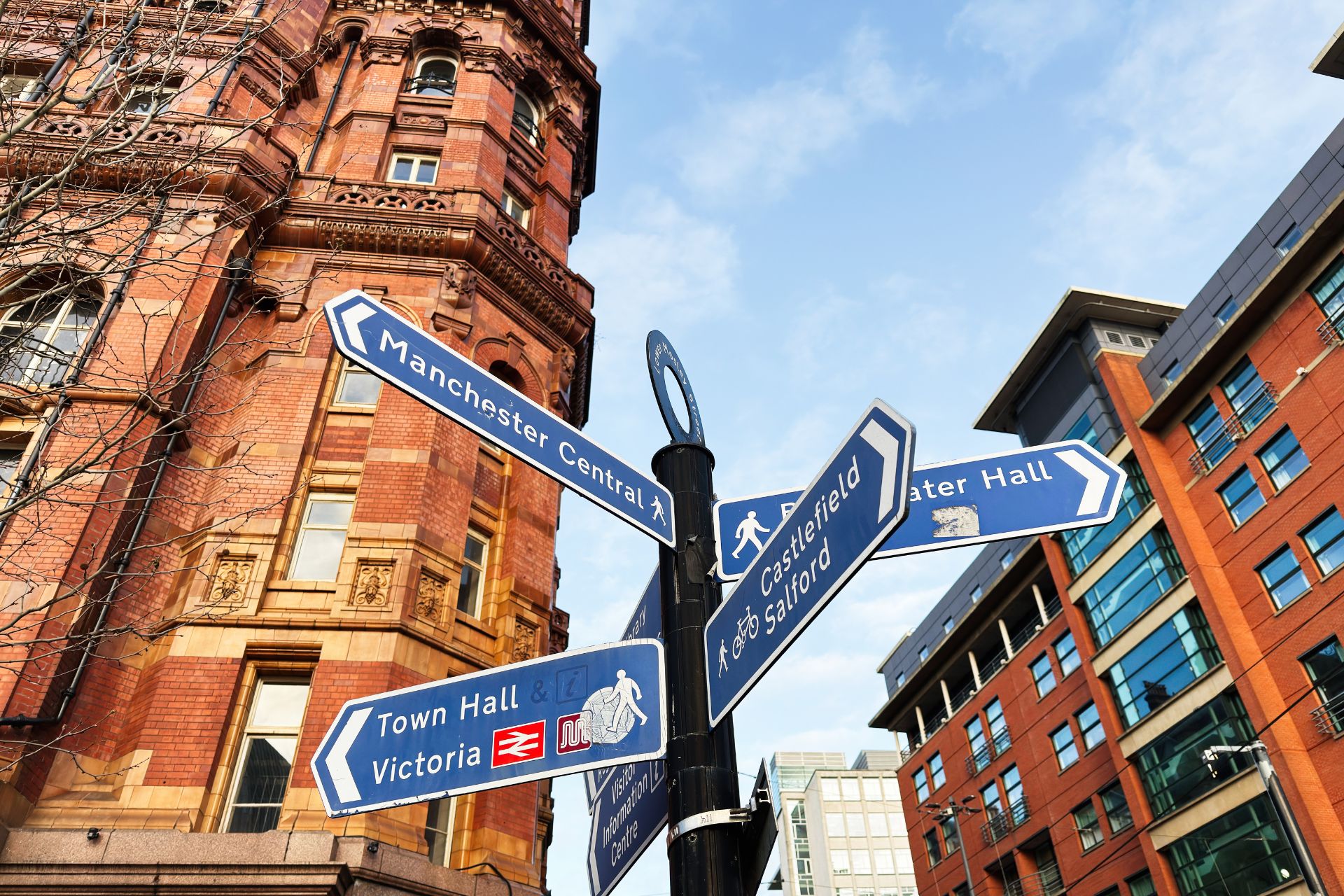

You have googled "where to live in Manchester" and you have already read three articles that list Didsbury, Chorlton, and the Northern Quarter in that exact order before telling you Manchester is "vibrant and diverse." Cheers for that, very helpful. Here is something more useful. An actual honest breakdown of what different parts of the city feel like to live in, written for people who are either moving here for university or starting a job and need to make a decision without six months of local knowledge.
If you want to walk to everything and never think about buses or trams, the city centre is the obvious place. It is also where the biggest concentration of purpose-built accommodation is, both for students and young professionals. Deansgate, Castlefield, the area around Oxford Road, Hulme border. You are within walking distance of both main universities, most of the decent bars and restaurants, and the kind of gyms and coffee shops that everyone puts on their Instagram stories.
The trade-off is space. City centre apartments tend to be smaller than what you would get further out for the same money. And it can be noisy on weekends, depending on exactly where you are. But for people in their first year or two of living in Manchester, the convenience is hard to argue with. You do not need a car, you barely need a bus pass, and everything is on your doorstep.
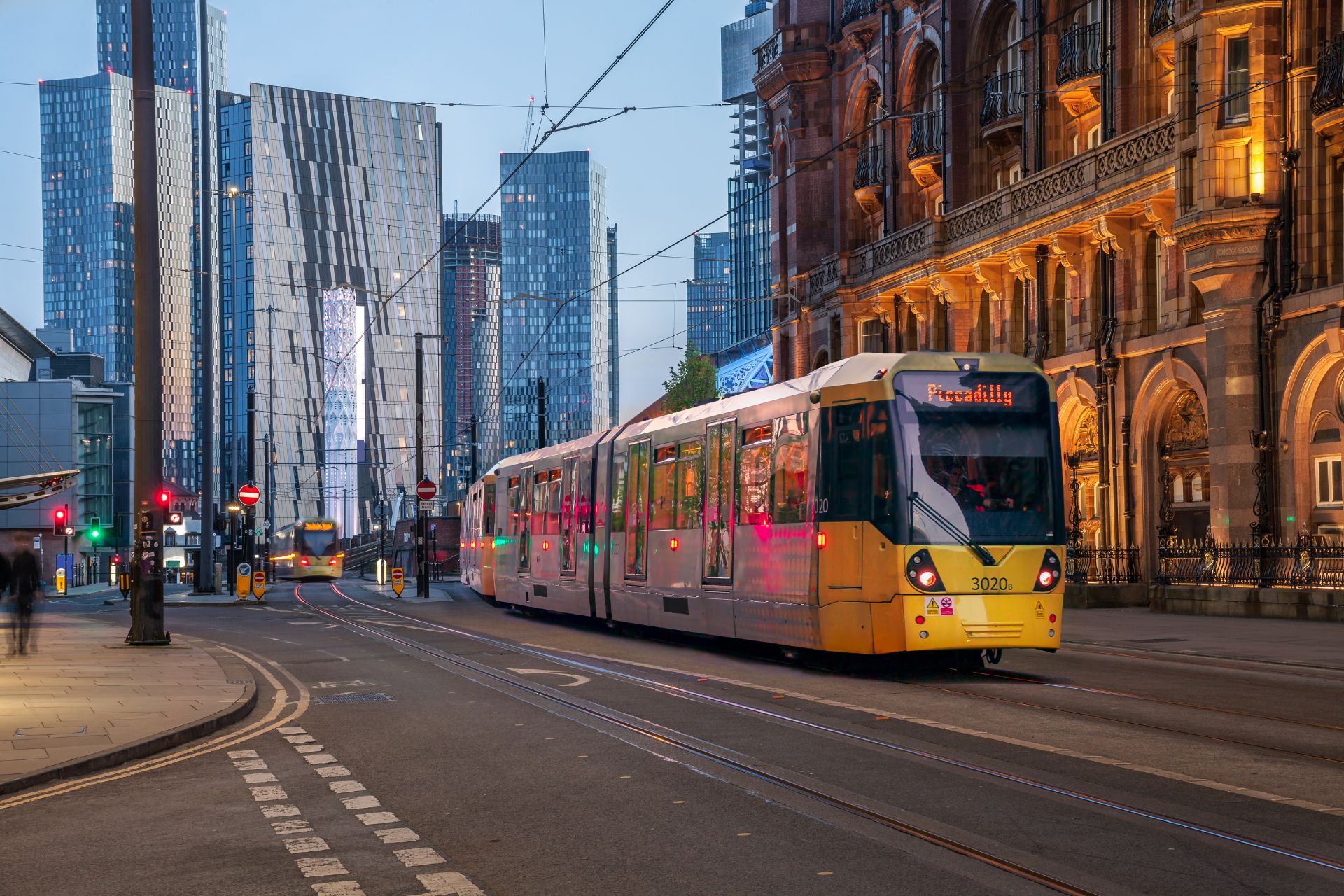
Ancoats has gone through a transformation in the last five or six years that is honestly quite mad. It used to be industrial wasteland, and now it is craft bakeries and wine bars. But beneath the hipster reputation, it is actually a really practical place to live. Five minutes' walk from the Northern Quarter, ten minutes from Piccadilly station, and the rent is generally a bit cheaper than living right in the middle of town.
It suits people who want that urban lifestyle but want slightly more breathing room than a studio flat on Deansgate. The food scene is excellent. Rudy's pizza, Pollen bakery, Elnecot. If you are the kind of person who picks where to live based on where to eat, Ancoats is your place.
The NQ is Manchester's personality condensed into a few streets. Vinyl shops, independent bars, street art, and live music every night of the week. It is brilliant to spend time in. Actually living there is a slightly different story because it is loud, the accommodation options are limited, and the ones that do exist tend to be pricey for what you get.
Most people who love the Northern Quarter end up living nearby rather than in it. Ancoats, New Cross, the Shudehill end of town. Close enough to walk there in five minutes, far enough to sleep without hearing someone's DJ set through the wall at 2 am on a Tuesday.
This is student central for a reason. You are right next to the University of Manchester and MMU, surrounded by other students, and the rent is reasonable. Hulme has a community feel that the city centre sometimes lacks. It has got local shops, a decent park, and that slightly scruffy charm that means you are not living in a soulless new-build corridor.
For young professionals, it can feel a bit too studenty depending on the exact street. But if you have just graduated and you are not ready to leave the area you studied in, Hulme is a solid middle ground between student life and the real world.
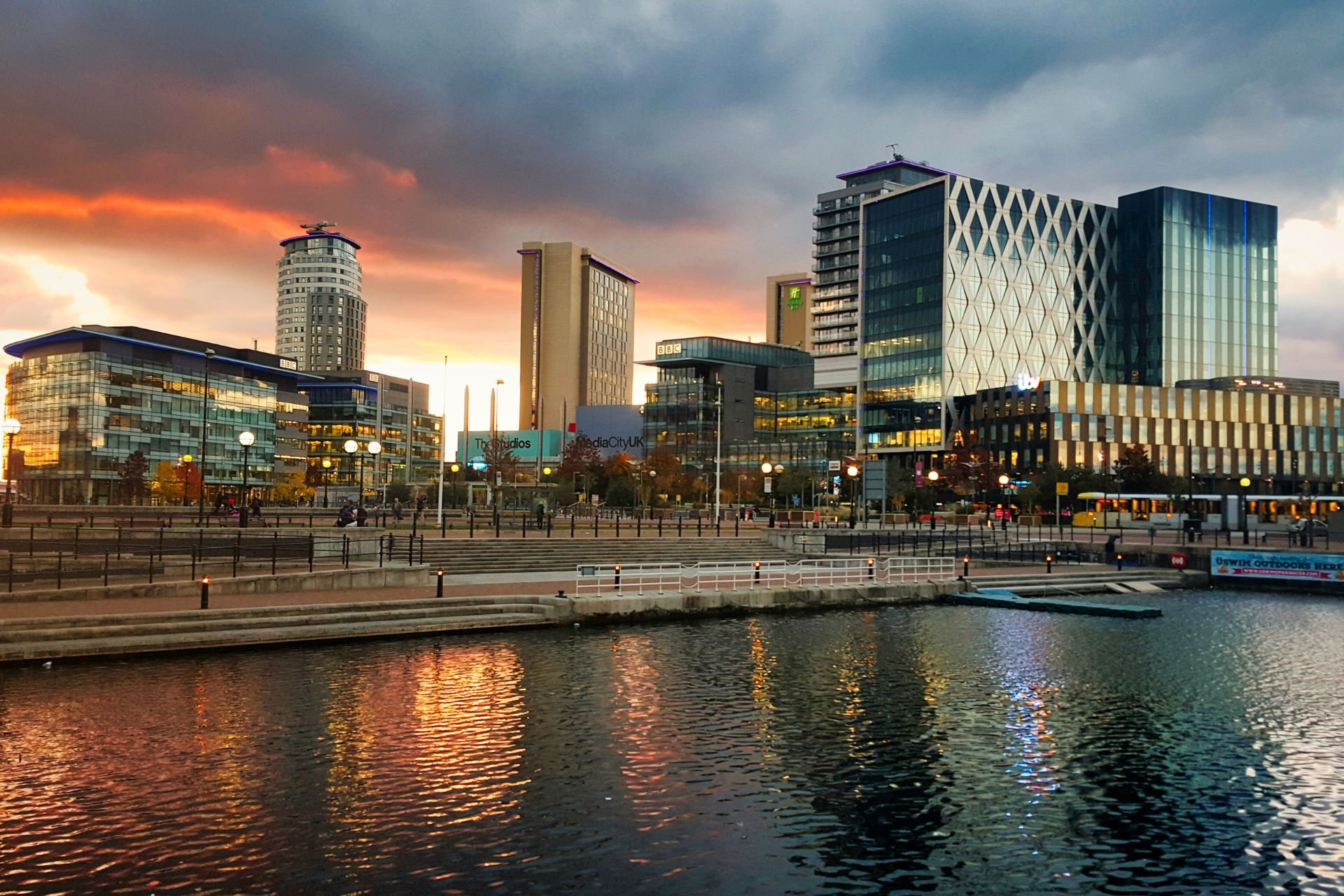
If you are working at the BBC, ITV, or any of the media companies out at MediaCity, then this makes obvious sense. It is a bit disconnected from Manchester city centre socially; there is no getting around that, but the waterfront is nice, the apartments are modern, and the tram gets you into town in about fifteen minutes.
For students living in Manchester, it is probably too far out unless you are at the University of Salford specifically. For young professionals working in media or tech it is worth a look, especially if you want more space for your money than the city centre offers.
Classic student territory. Fallowfield, in particular, is where a huge chunk of second and third year students end up in shared houses. It is cheap, it is social, and the Fallowfield Loop cycle path gets you into the city centre in about 20 minutes. Withington is a slightly quieter version of the same thing, with better pubs and more of a villagey feel.
Neither of these is particularly aimed at young professionals, but plenty of recent graduates stick around because the rent is low and the community is familiar. If you are not in a rush to "grow up" and you like being surrounded by people your age, there are worse places to be.
These are where people move when they have been in Manchester for a few years and want somewhere a bit more settled. Tree-lined streets, good brunch spots, independent shops, proper parks. Both are on the Metrolink, so getting into the city centre is easy enough, but they feel distinctly different from living in town.
Rent is higher than Fallowfield or Hulme, and the vibe is more late-twenties-with-a-nice-coat than freshers-week. If you are just arriving in Manchester and want to be in the thick of things, these might feel too quiet. But if you want quality of life and do not mind a short tram ride, they are lovely.
If you are brand new to Manchester, live centrally for your first year. Seriously. You can always move further out once you know the city and have figured out which areas suit your life. But starting in the middle means you are close to everything, you meet people quickly, and you do not waste your first six months on a bus wishing you lived somewhere else.
The reality is, once you experience living centrally, it is hard to give it up. You get used to having everything on your doorstep, from uni and nightlife to shops and transport links, and for a lot of students, that convenience becomes part of how they want to live long term. Many end up staying in the city centre throughout their studies and even after graduating, simply because it fits their lifestyle so well.
→ See where Square Gardens sits in the city
→ Browse apartments and studios at The Fernley
→ Browse apartments and studios at Acer
